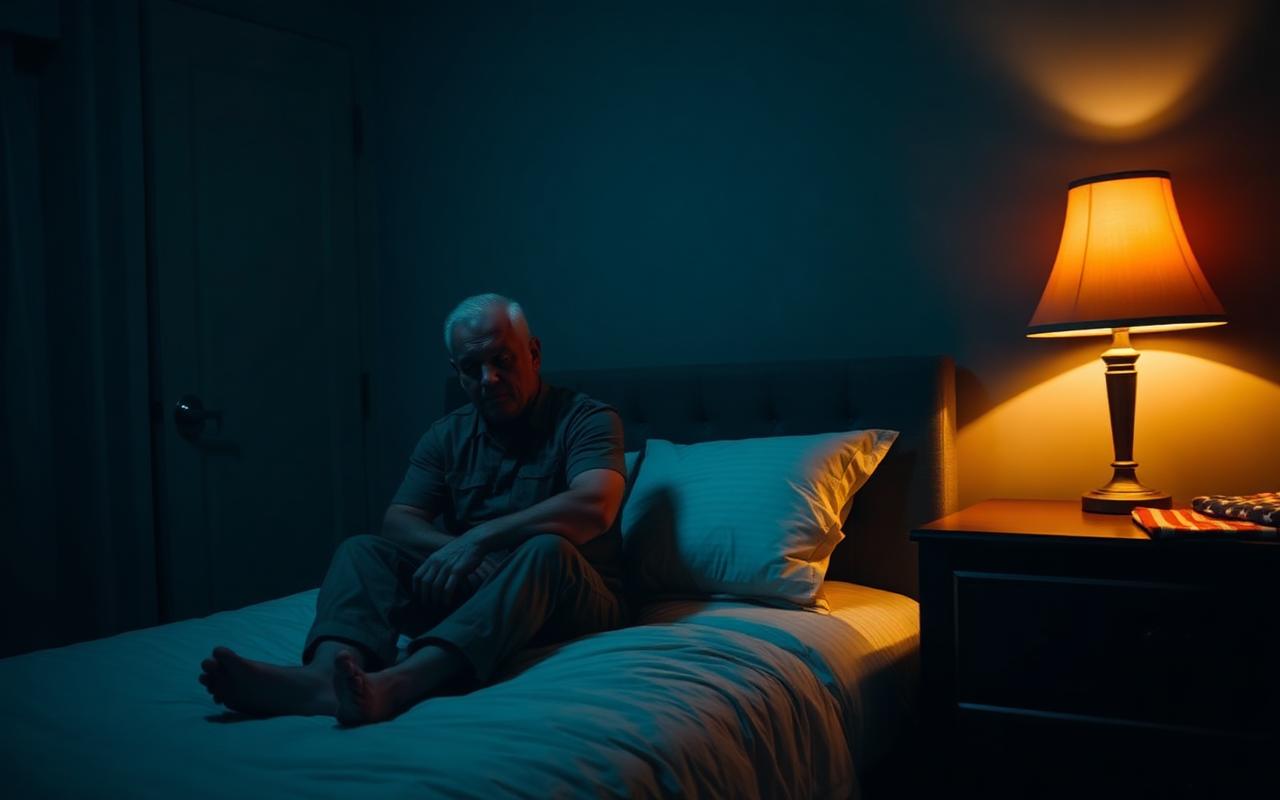
When a service member comes home, the country assumes the war is over. For too many veterans, the real fight begins at lights-out. Sleep — the thing civilians take for granted — becomes a battleground of its own.
The Numbers Behind the Silence
Research on a nationally representative sample of over 4,000 U.S. veterans found that 11.4% screened positive for clinical insomnia and another 26.0% for subthreshold insomnia. In other words, roughly one in three veterans is wrestling with a real sleep problem — and many never report it.
"Sleep problems — in particular chronic insomnia and nightmares — are frequently some of the most troubling aspects of PTSD."
— VA National Center for PTSD
The link between service and sleep runs deep. Estimates of insomnia symptoms among service members and veterans range from 27% to 54%. Among post-9/11 veterans receiving VA care, one study found 40.5% met the bar for clinical insomnia. The body learned to stay alert in a war zone — and it doesn't always stand down just because the orders changed.
Why the Body Won't Stand Down
It isn't weakness. It's physiology. Dangerous, high-stress environments drive hyperarousal — the nervous system stays locked in a ready posture long after the threat is gone. Cortisol stays elevated, circadian rhythms get scrambled by years of broken, shift-based sleep, and the brain keeps replaying what it can't file away.
- Hyperarousal: the brain's threat-detection system never fully powers down.
- Nightmares: vivid, recurrent dreams that jolt veterans awake and make sleep feel unsafe.
- Co-occurring pain and injury: trauma, chronic pain, and TBI all feed back into insomnia.
- Substance use: alcohol and other substances, often used to self-medicate sleep, fragment it further.
What Actually Helps
There's no medal for toughing it out alone. The most effective paths are the ones backed by evidence and supported by people who understand the terrain. If sleep is a fight, fight it with the right gear.
- Talk to the VA. CBT-I (Cognitive Behavioral Therapy for Insomnia) is the gold-standard, non-drug treatment for chronic insomnia and is widely available through VA health services.
- Treat the root. If PTSD, pain, or TBI are driving the sleep loss, addressing them directly does more than any mattress ever could.
- Rebuild the perimeter. A dark, cool, quiet room with a supportive, motion-isolating mattress gives the body permission to let its guard down.
- Hold a routine. The same wake time every day, even weekends, is the single most powerful cue for resetting a broken clock.
- Limit the escape hatch. Alcohol may speed up falling asleep, but it wrecks the second half of the night and intensifies nightmares.
A Word on Asking for Help
If you or a veteran you love is in crisis, help is one call away, 24/7:
- Veterans Crisis Line: Dial 988, then press 1, or text 838255.
- Suicide & Crisis Lifeline: Dial 988.
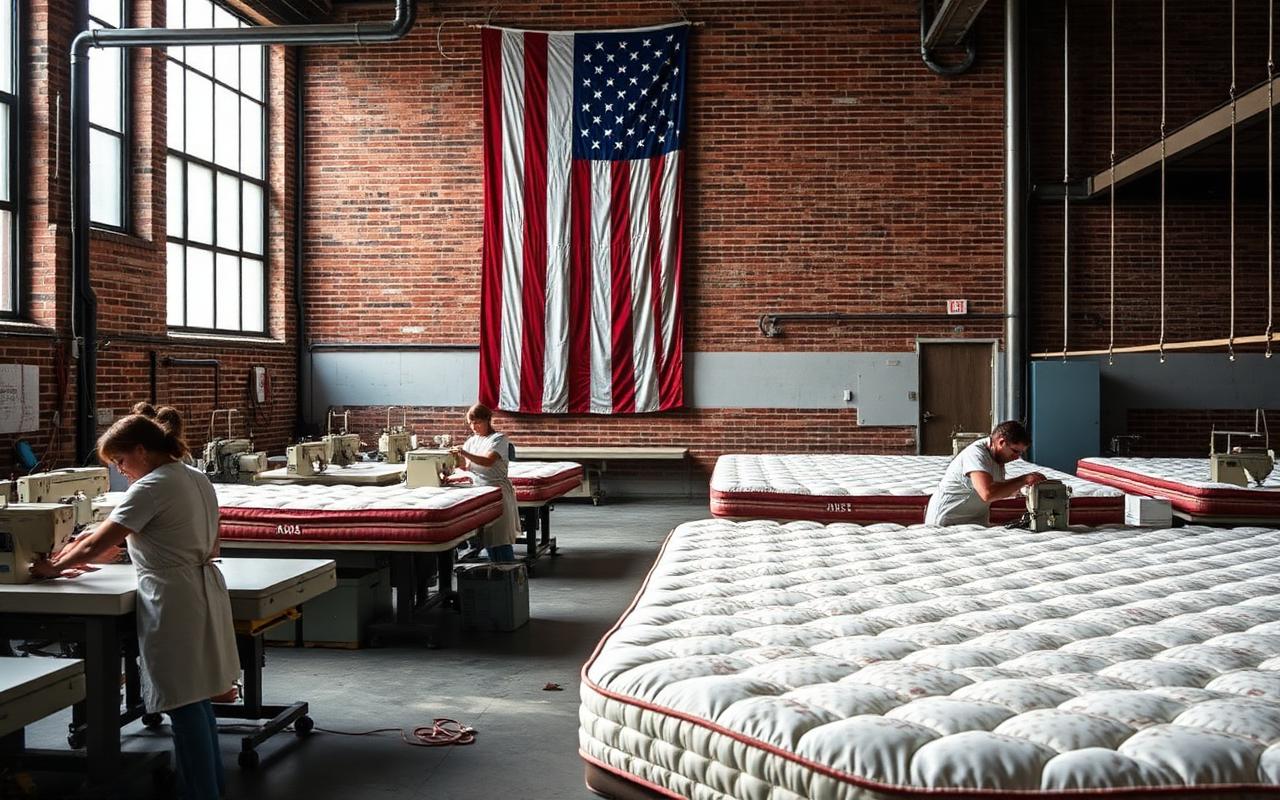
We built Patriot Bed for the people who keep this country free — and that includes the ones who fought for it. If you're a veteran or first responder, the 10% discount isn't a marketing gesture; it's a standing order. Take it. Then take the sleep you earned.
Sources & Further Reading
Written by Patriot Bed Editorial. Patriot Bed Mattress Co. — Handcrafted in the USA.
Reading is the start. Sleeping is the mission. Build your rack American.
Shop The Patriot Bed